
How Can Workers Adapt to AI?
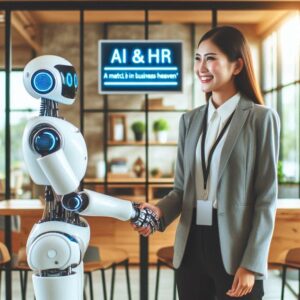
Artificial intelligence is changing the way many organizations operate. Businesses are using AI to automate repetitive tasks, analyze information, support customers, generate content, improve workflows, and assist employees with everyday responsibilities.
For workers, these changes can create both opportunities and challenges. Some tasks may become automated, while new responsibilities and job roles can emerge. Instead of viewing AI only as a technology that changes jobs, workers can also learn how to work alongside it and develop skills that remain valuable.
Adapting to AI does not mean becoming an expert programmer overnight. It means understanding how AI affects your work, learning relevant tools, strengthening your skills, and staying prepared for changes in your industry.
1. Learn the Basics of AI
The first step toward adapting to AI is understanding what it can and cannot do.
Workers should become familiar with basic concepts such as artificial intelligence, machine learning, generative AI, automation, and AI-assisted software.
You do not need to understand the technical details of every AI system.
Instead, focus on practical questions:
- What tasks can AI perform?
- What are its limitations?
- How can it be used in my profession?
- What risks should I consider?
- Which tasks still require human judgment?
Basic AI knowledge can make workplace changes easier to understand.
2. Identify How AI Is Changing Your Job
Every profession will experience AI differently.
Some jobs may use AI mainly for administrative tasks. Others may involve significant changes to technical workflows.
Look at the tasks you perform regularly and identify which ones could potentially be supported or automated by AI.
For example, an administrative worker might spend time organizing documents and drafting routine emails.
A marketer might spend time researching topics and preparing content.
A software developer might use AI-assisted coding tools.
Understanding these changes can help you prepare before new technologies become central to your role.
3. Learn AI Tools Relevant to Your Work
You do not need to learn every AI tool available.
Focus on tools that are relevant to your responsibilities.
For example, a marketing professional might learn AI tools for research, content planning, analytics, and automation.
A customer-service employee might learn how AI-assisted support systems work.
A programmer might learn AI coding assistants.
The goal is to become more effective at your actual job rather than simply collecting knowledge about AI.
4. Use AI to Improve Productivity
AI can help workers reduce time spent on repetitive activities.
Depending on the role, it may assist with drafting documents, summarizing information, organizing data, generating ideas, or preparing reports.
For example, an employee could use AI to create a first draft of a routine report and then review and improve it.
This can allow more time for tasks requiring creativity, decision-making, and communication.
5. Develop Strong Critical Thinking
One of the most important skills for working with AI is critical thinking.
AI systems can produce incorrect information, incomplete answers, or misleading results.
Workers need to evaluate AI outputs rather than automatically accepting them.
Ask questions such as:
- Is this information accurate?
- Can I verify it?
- Does it make sense?
- What information might be missing?
- What risks could result from using it?
Critical thinking becomes particularly important when AI is used for important business decisions.
6. Strengthen Your Human Skills
As AI becomes more capable, human skills remain important.
Communication, teamwork, creativity, leadership, empathy, negotiation, and problem-solving can complement AI capabilities.
For example, AI might help analyze customer feedback, but a human employee may still need to understand the customer’s concerns and decide how to respond.
Workers should therefore develop skills that allow them to work effectively with both technology and people.
7. Become Better at Problem-Solving
AI can provide suggestions, but workers still need to understand the problem they are trying to solve.
Develop your ability to identify problems, investigate causes, compare solutions, and make decisions.
This can make you more valuable in an AI-supported workplace because you are not simply operating a tool—you understand how to apply technology to real business challenges.
8. Learn Data Skills
Many AI systems depend on data.
Workers who understand basic data concepts can often work more effectively with AI-supported tools.
Depending on your career, useful skills may include spreadsheets, data visualization, statistics, SQL, or data analysis.
You do not necessarily need to become a data scientist.
Even basic data literacy can help you understand reports, identify patterns, and question questionable results.
9. Improve Your Communication Skills
Clear communication is valuable when technology changes workplace processes.
Workers may need to explain AI-generated insights, communicate with technical teams, train colleagues, or help customers understand new systems.
Developing strong writing, presentation, and interpersonal skills can help you navigate these responsibilities.
10. Learn How to Automate Workflows
AI and automation can work together to improve business processes.
Workers can learn to identify repetitive workflows and determine whether parts of them can be automated.
For example, information might be collected from one system, processed, and then organized into another system.
Understanding workflow automation can help workers contribute ideas for improving efficiency.
You do not always need advanced programming skills. Many modern automation tools provide visual interfaces that make basic workflow design accessible.
11. Continue Learning
AI technology changes quickly.
A skill that is valuable today may become easier to perform with new software in the future.
This means workers should develop a habit of continuous learning.
Set aside time to learn new tools, understand changes in your industry, complete courses, attend workshops, or work on practical projects.
You do not have to learn everything.
Focus on developments that are relevant to your job and career goals.
12. Talk to Your Employer
If AI is being introduced into your workplace, ask questions.
Find out:
- Which tasks will change?
- Which AI tools will be introduced?
- What training is available?
- What responsibilities will employees have?
- What data can be used with AI tools?
- What workplace policies apply?
Understanding your organization’s approach can help you prepare more effectively.
If training opportunities are available, take advantage of them.
13. Build a Record of Your Achievements
As your role changes, keep track of the value you provide.
Document projects you complete, processes you improve, problems you solve, and measurable results you contribute to.
This information can be useful when updating your resume or discussing career development.
If you use AI to improve a workflow, record what changed and what the result was.
For example, if an approved AI tool reduces the time required for a routine task, documenting that improvement can demonstrate your ability to adapt to technology.
14. Consider New Career Opportunities
Adapting to AI may reveal new career paths.
Workers may discover opportunities in AI implementation, data analysis, automation, AI operations, technology support, product development, or AI-related business roles.
You do not necessarily need to abandon your current profession.
Instead, consider how your existing experience could combine with AI skills.
For example, someone with finance experience could explore financial technology and AI-supported financial analysis.
Someone with marketing experience could specialize in AI-assisted marketing and automation.
15. Use AI Responsibly
Workers should understand the risks of using AI at work.
Do not enter confidential business information, customer data, passwords, or sensitive documents into an AI tool unless your organization has authorized that use.
You should also verify important AI-generated information before relying on it.
Following workplace policies and protecting sensitive information can help prevent avoidable problems.
16. Do Not Rely Entirely on AI
Adapting to AI does not mean allowing AI to make every decision.
AI should support your expertise rather than eliminate your responsibility.
If an AI system produces an incorrect answer, you need to recognize the problem.
If an automated process creates an unexpected result, someone needs to investigate it.
Maintaining your professional knowledge is therefore essential.
Final Thoughts
Workers can adapt to AI by learning the basics of artificial intelligence, understanding how it affects their jobs, developing relevant technical skills, and improving their ability to work with AI tools.
At the same time, workers should strengthen communication, critical thinking, creativity, problem-solving, teamwork, and other human skills.
The goal is not to compete with every capability AI can perform. Instead, learn how to use AI where it is helpful while becoming better at the responsibilities that require human judgment and expertise.
AI will continue to change the workplace, but workers can prepare by staying curious, learning continuously, experimenting responsibly, and understanding how technology can support their professional goals.
The most adaptable workers are not necessarily those who know every AI tool. They are the ones who can learn new technologies, evaluate them carefully, and apply them effectively to real-world problems.